BA in
Interior Architecture
Duration
Class
- Year 1, 2 & 3 – 7:30 AM to 2: 30 PM
Eligibility
Admission Criteria
Payment Mode
BA (Hons) in
Interior Architecture
Duration
Class
- Year 1, 2 & 3 (Semester I, II, III, IV, V & VI) – 07:30 AM to 2:30 PM
Eligibility
Admission Criteria
Payment Mode
About
Course
Courseware and Learning Approach
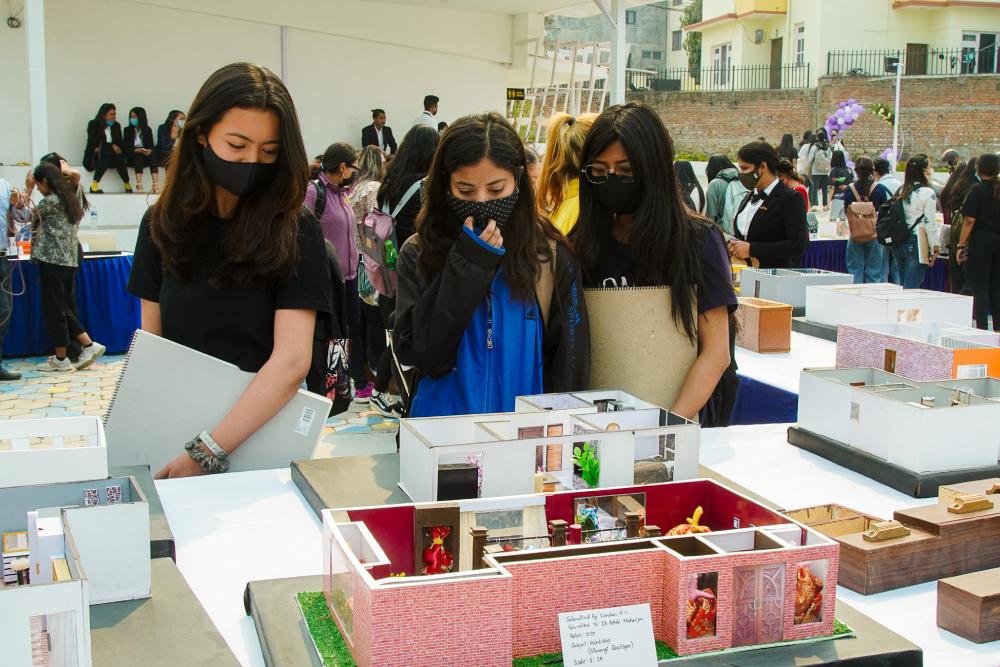
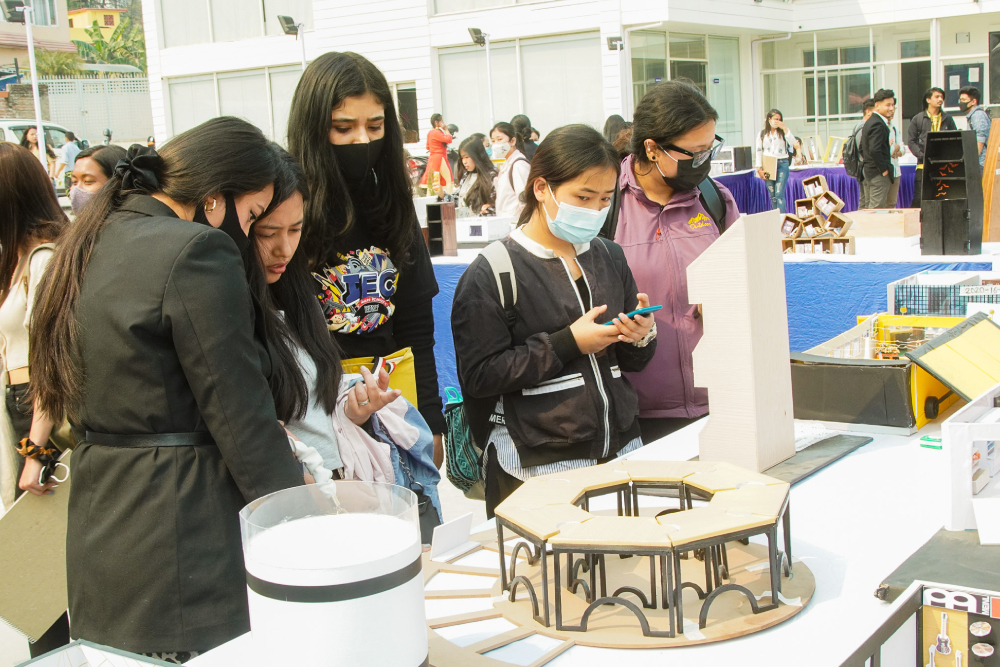
You work in a dedicated design studio environment with access to high quality Computer Aided Design and superb workshop facilities. The course has an outstanding track record for innovative teaching and of supporting students to achieve high grades, You are encouraged to get involved in a wide range of extra curricula activities. These include guest lectures and workshops from both professionals in practice and our successful graduates and alumni now working throughout the world.
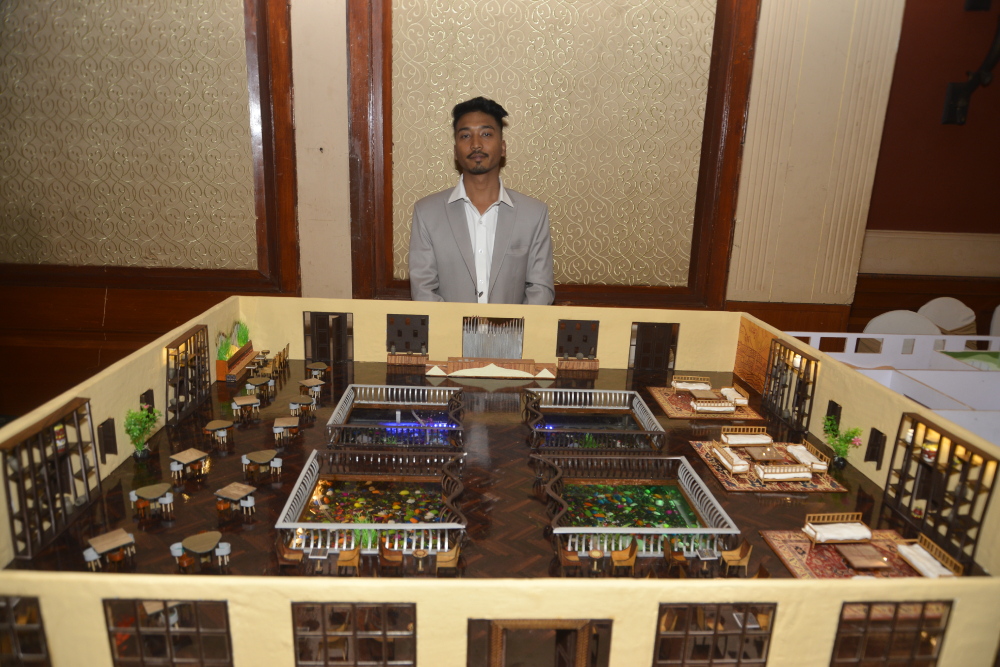
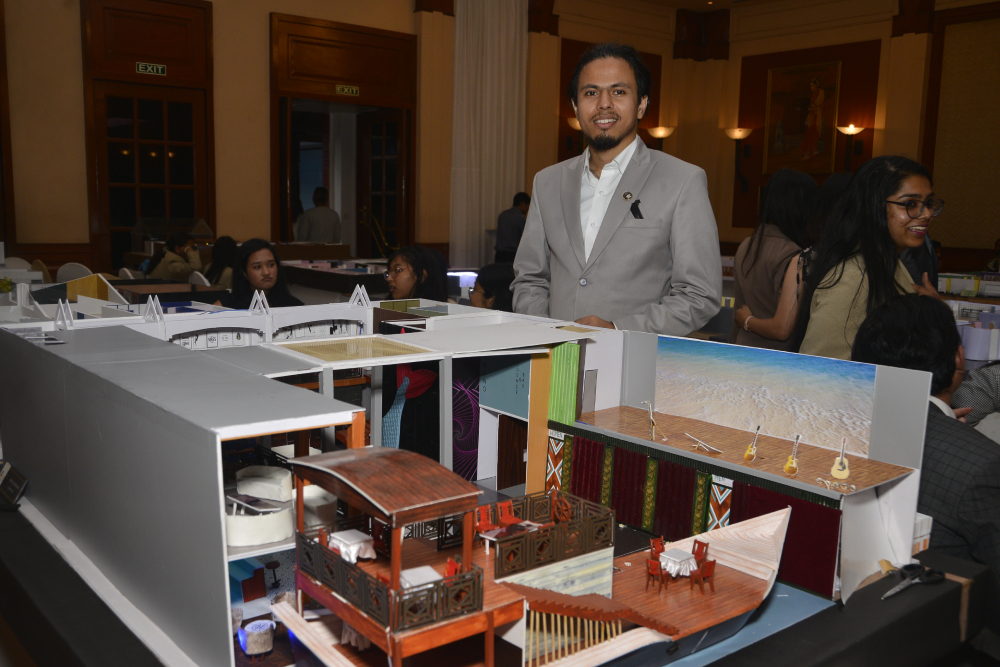
We not only prepare our students to become excellent design graduates but also successful design professionals. Interior Design is an exciting, creative industry involved in the design of stimulating environments for living, working, shopping, commerce, health, education, hospitality and almost every possible human activity. Often based around the conversion of existing buildings, the Interior Designer considers many design matters and factors including; the needs of the building’s end user, creating interior spatial layouts, improving circulation and function, interpreting buildings, space and use. The Interior Designer’s role also embraces the specification of materials, designing bespoke textiles, fittings and furniture and selecting colour palettes and lighting schemes.
We aim for our students to become creative design professionals and on our course you learn a wide range of skills including; design process and practice, interior decorative arts, trends, fashions and textiles, architectural drawing techniques, 2D and 3D industry standard Computer Aided Design, history of design and architecture plus the essentials of professional practice. These are all applied into your core creative design studio projects.
Projects are designed to replicate professional practice ensuring you are ready for the design profession. As a design student you will have the opportunity to work on live projects with real clients and enter prestigious competitions such as those offered by the Royal Society of Arts.

Course Structure
Year 1 core modules
Enhance your skills in team-working, communication, project management and negotiation. You collaborate with a group of your course mates to produce a small-scale creative project in response to a subject-specific brief.
This is a 20-credit module.
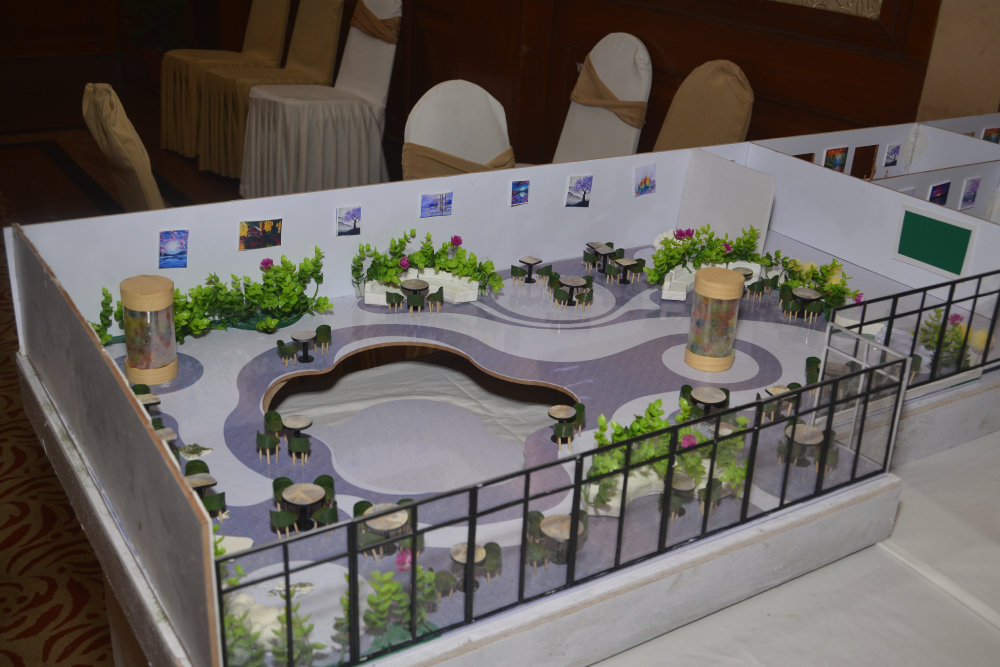
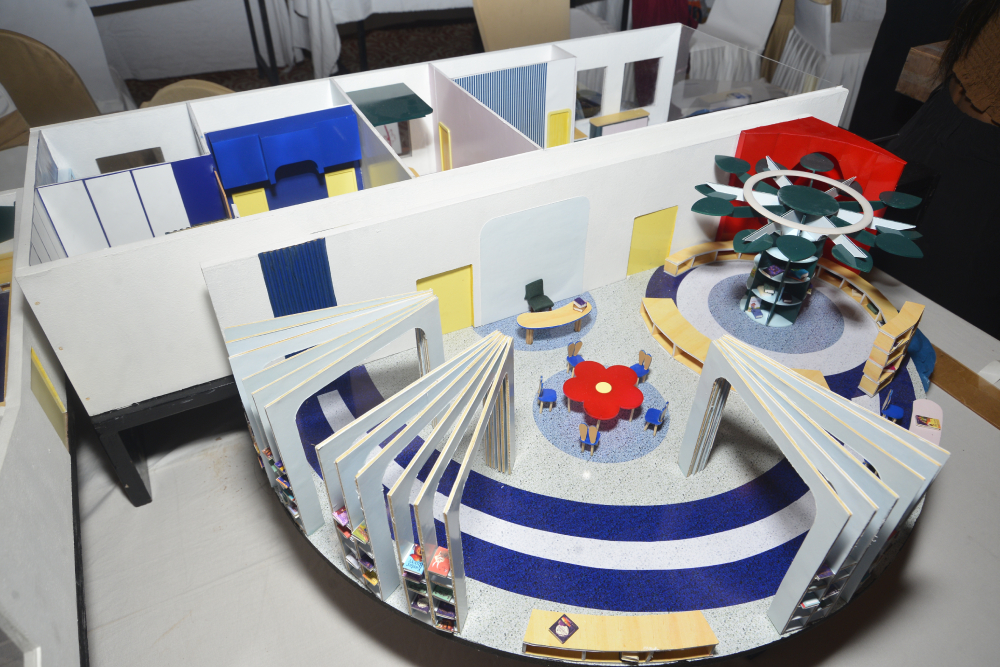
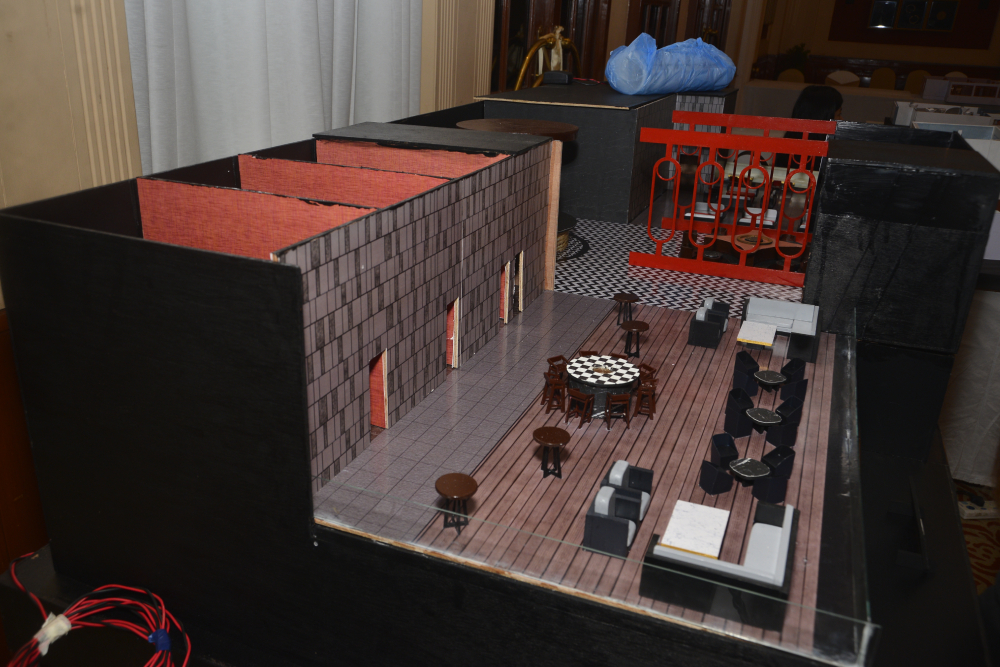
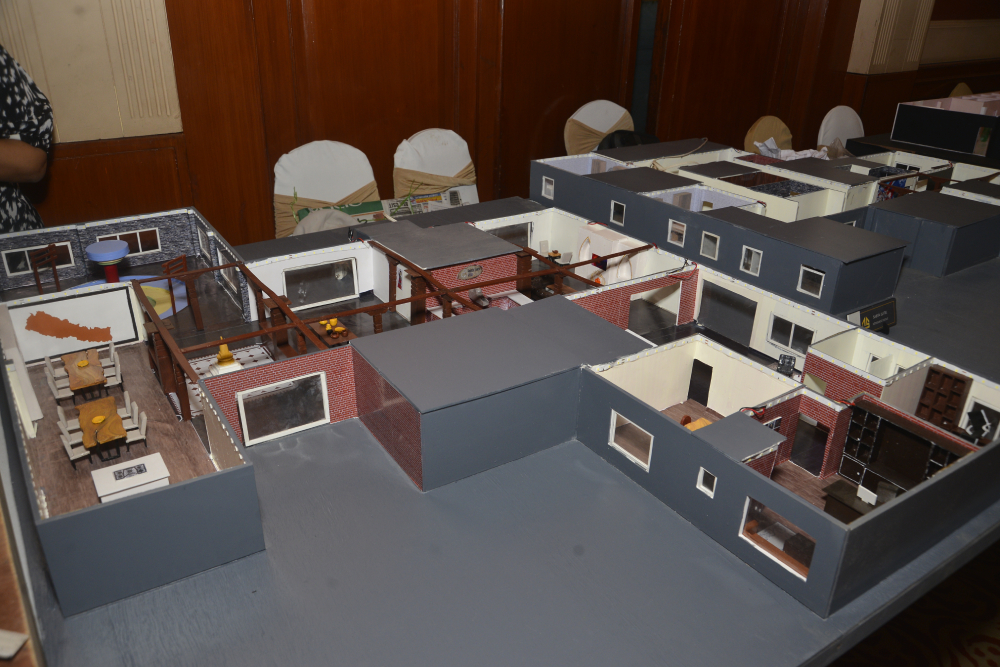
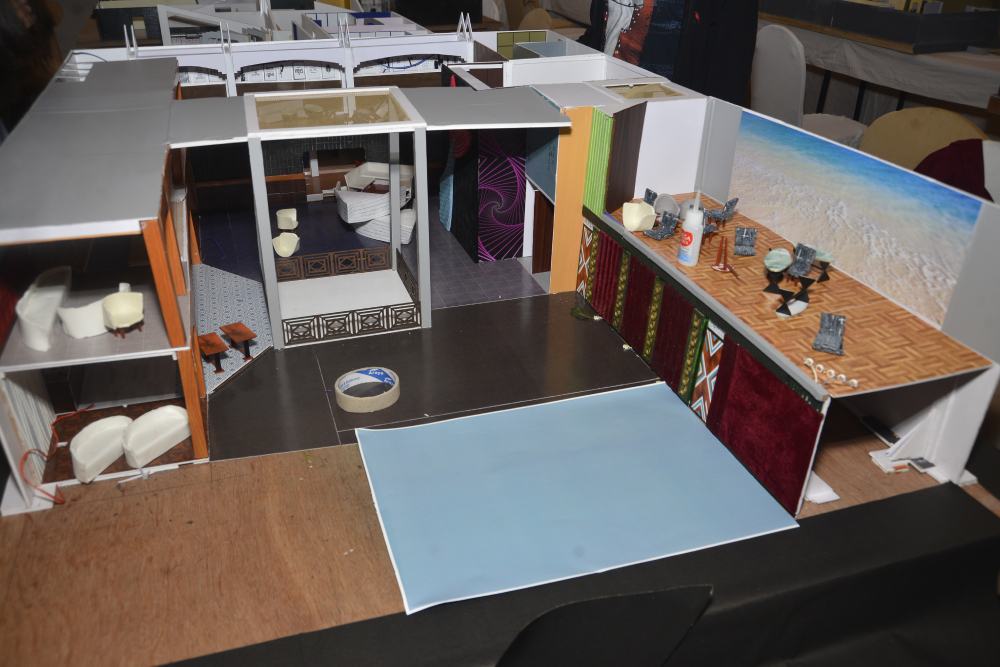
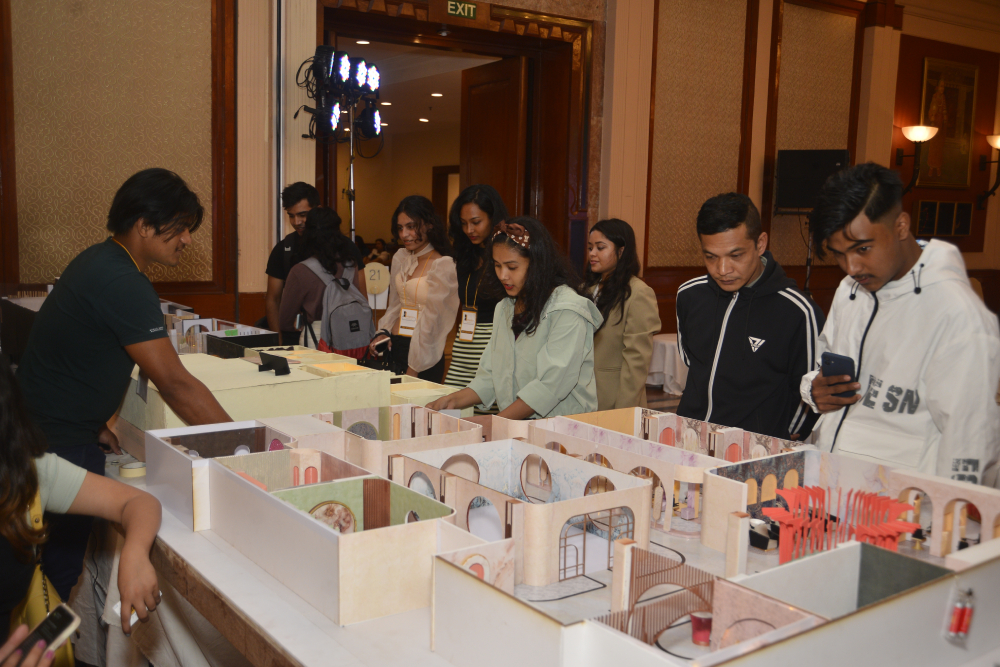
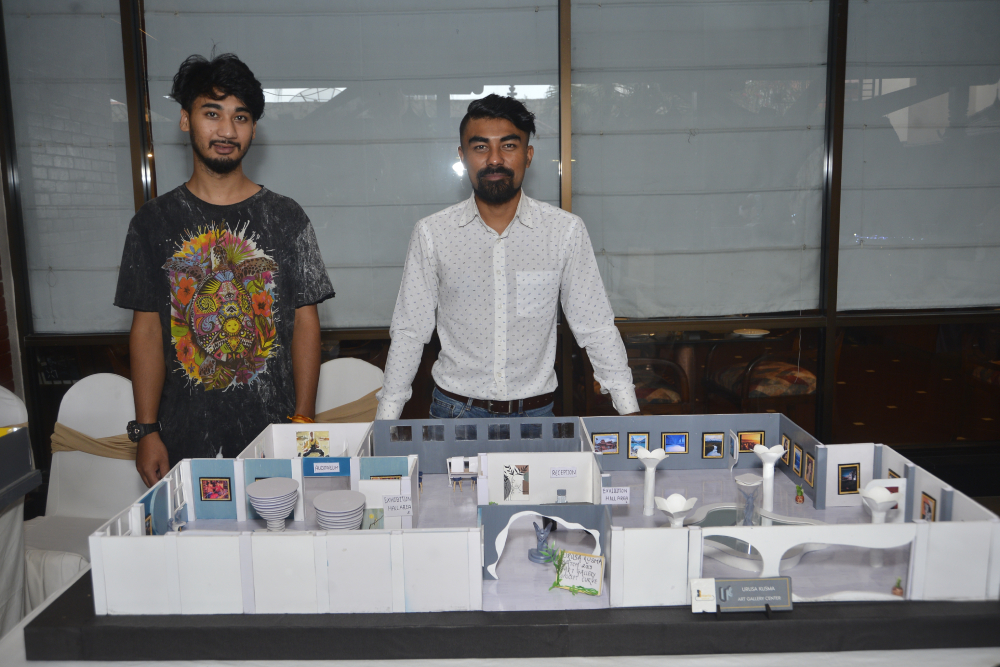
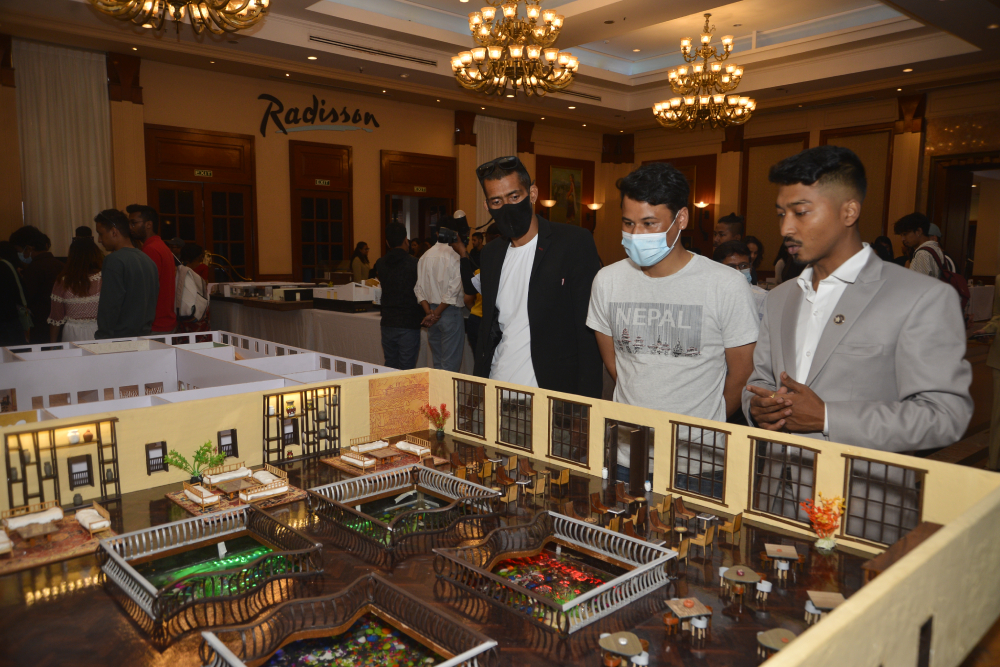
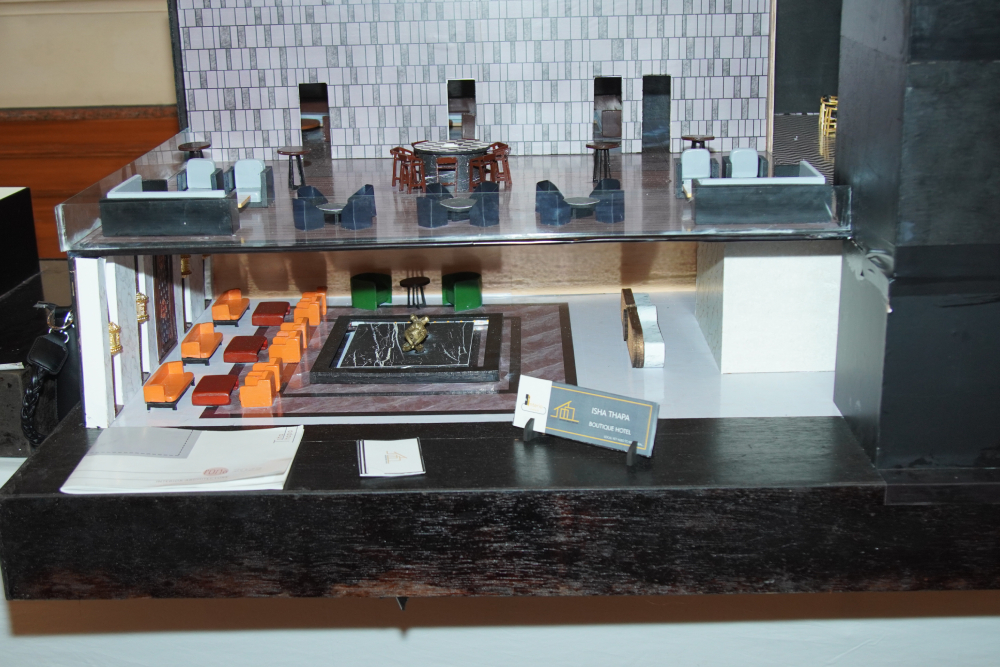
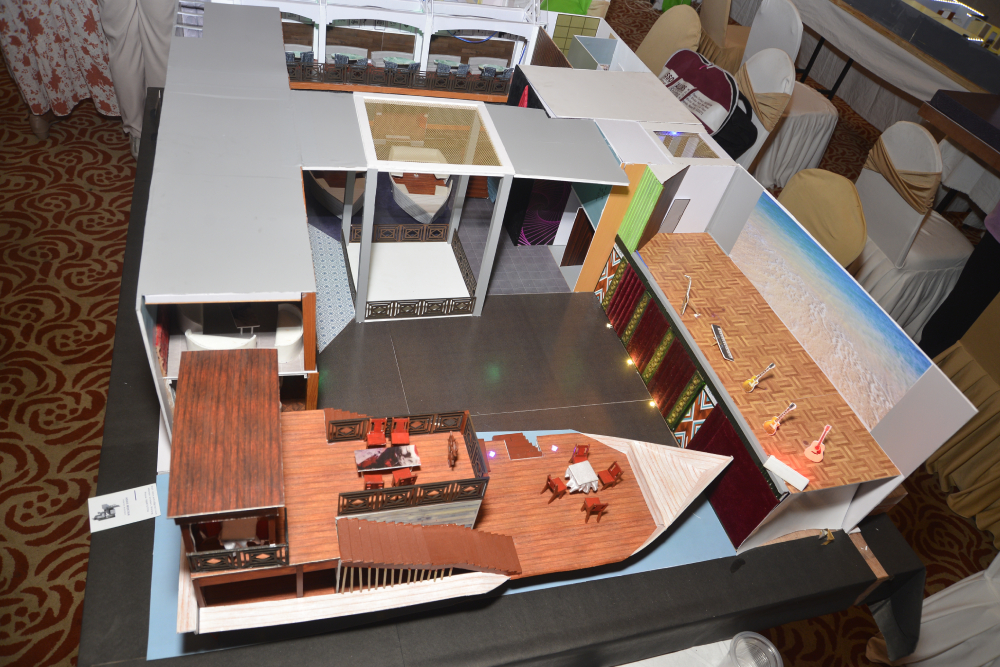
You learn drawing and drafting for architectural communication, model building techniques, working to scale and historical style and context. Introduction to both two and three-dimensional visual communication allows you to externalise your ideas and communicate your proposals to others. You study the precedents of architectural and interior design history and investigate problem solving and themes that will inform your studio practice. Develop your understanding of the role of the designer, the meanings and vocabulary of design and the relationship between design, society and the environment.

This is a 40-credit module.
With many opportunities in the creative industries sector, learn how to start on your career path while developing vital employability skills such as networking and digital presence. Understand the structure of the sector and the interdisciplinary relationships between art, design and media. Discover how the sector operates locally, nationally and globally – debating the role of policy and the importance of sustainability.
This is a 20-credit module.
Understand the fundamentals of the interior design process and the complexities of dealing with spatial change within a given building. You study how to work to a residential brief, the client and development of the design process, computer aided design and the application of textile related skills to an interior space. You practice the externalisation of initial ideas through experimentation, working towards finished design proposals.
This is a 40-credit module.
Year 2 core modules
Explore commercial spaces and new landscapes for workspaces, considering client branding, employee health and wellbeing and contemporary debate. You develop your visualisation skills and learn how to use industry standard 3D CAD, SketchUp and Lumion to create client-focused images. Commercial spaces are built to appeal to employees and customers, you study bespoke surface design, interior branding and furniture design to prepare you for this challenge.
This is a 40-credit module.
Develop critical thinking and analysis skills, exploring contemporary issues and debates related to the creative industries. You research a specific area or development within your chosen subject – this may be technical, economic, ethical, legal, cultural, sociological, or a combination. You draw on appropriate academic and industry sources to contextualise your research. You present your topic and initial research within taught sessions, providing an opportunity for peer and tutor feedback.
This is a 20-credit module.
You develop and explore, in depth, a creative industry-based project in your specialist area of design, art, media, music, photography or illustration – relevant to your future professional practice. While forming a professional portfolio of work, you experience real-world business scenarios and challenges, industry competitions and cross and inter-disciplinary activities. You gain skills in project management, applied research methods and collaborative creative work.
This is a 40-credit module.
There are many challenges facing contemporary art, design and media practices. You research the social, political or ecological challenges around us to generate a small-scale project. You develop and reflect on your understanding of enterprise in the context of the creative industries. Contextualise your own professional practice and aspirations through application of critical thinking and problem-solving skills.
This is a 20-credit module.
Optional work placement year
You have the option to spend one year in industry learning and developing your skills. We encourage and support you with applying for a placement, job hunting and networking.
You gain experience favoured by graduate recruiters and develop your technical skillset. You also obtain the transferable skills required in any professional environment, including communication, negotiation, teamwork, leadership, organisation, confidence, self-reliance, problem-solving, being able to work under pressure, and commercial awareness.
Many employers view a placement as a year-long interview, therefore placements are increasingly becoming an essential part of an organisation’s pre-selection strategy in their graduate recruitment process. Benefits include:
- improved job prospects
- enhanced employment skills and improved career progression opportunities
- a higher starting salary than your full-time counterparts
- a better degree classification
- a richer CV
- a year’s salary before completing your degree
- experience of workplace culture
- the opportunity to design and base your final-year project within a working environment.
If you are unable to secure a work placement with an employer, then you simply continue on a course without the work placement.
Final-year core modules
You produce a self-managed, individual extended piece of independent investigation and/or creative production or portfolio of work. Supervised by an academic member of staff, you take responsibility for the planning and execution of the work, including the consideration of associated legal, social, ethical and professional issues. You explore in depth a chosen subject area, demonstrating your ability to analyse, synthesise and creatively apply your learning, showing critical and evaluative skills and professional awareness.
This is a 60-credit module.
Plan and implement your departure from education to your first or new career, or to further study. You continue your creative practice, developing a portfolio and/or extended piece of work which reflects you as a creative. You explore discipline-specific employability strategies, and engage and network with industry to develop key connections.
This is a 60-credit module.